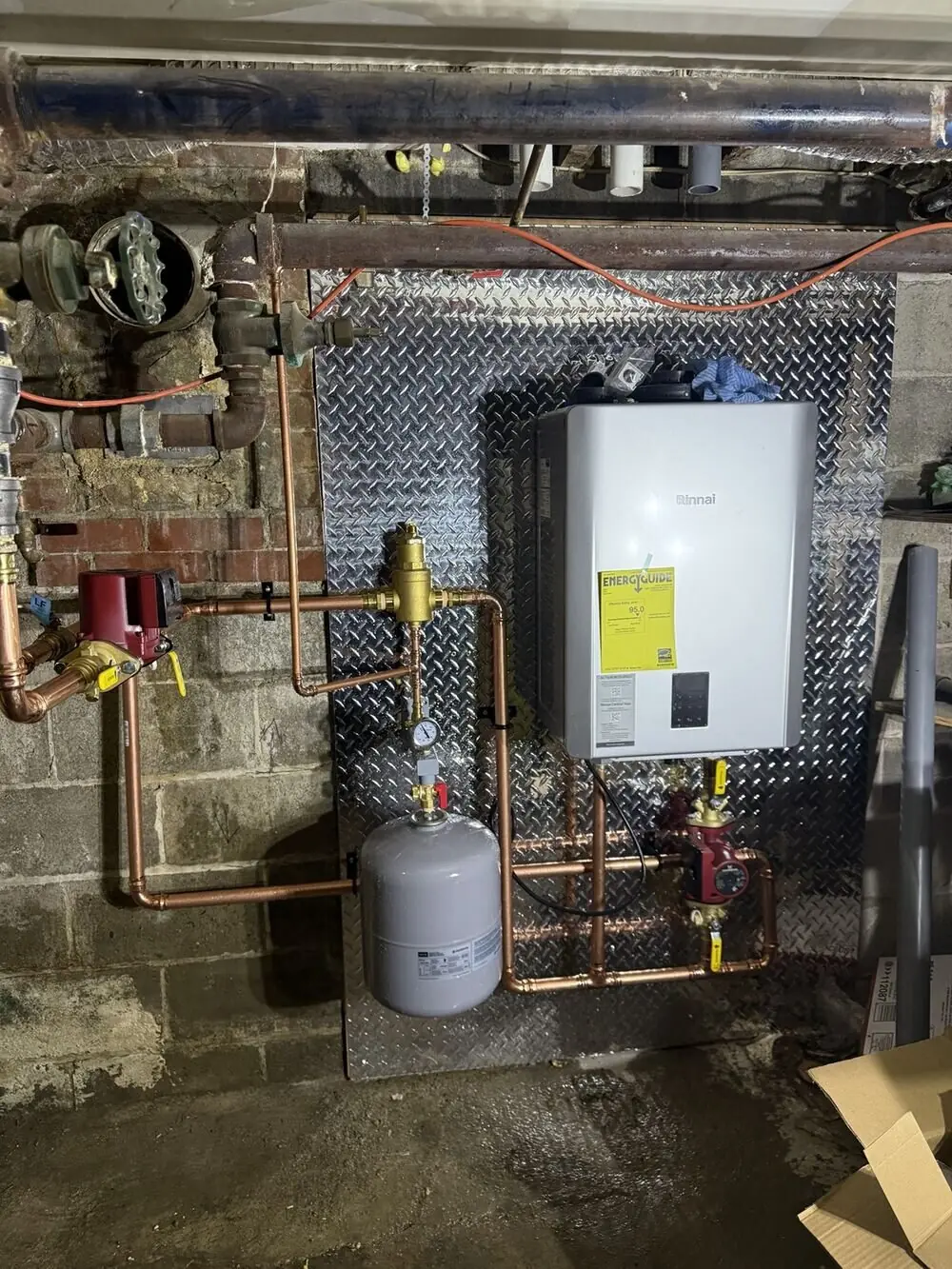
A water heater rarely fails at a convenient time. One day the hot water runs out faster than usual; the next, there is a puddle near the tank or rusty water coming from a faucet. Knowing when to replace a water heater can help you avoid a flooded utility room, a cold morning shower and an emergency replacement decision.
For homeowners, landlords and small business owners in the Greater Toronto Area, the right answer depends on the unit’s age, condition, fuel type, repair history and efficiency. A professional inspection can confirm whether a repair is still worthwhile or replacement is the safer, more cost-effective choice.
When to replace a water heater instead of repairing it
A single problem does not always mean you need a new water heater. Replacing a worn valve, thermostat, heating element, thermocouple or pressure-relief valve can often restore reliable performance. Repairs have limits, particularly when the tank itself is deteriorating.
If your water heater is near the end of its expected service life and needs a major repair, putting more money into an aging unit may only delay replacement. Conventional tank water heaters commonly last about 8 to 12 years, although water quality, maintenance, installation quality and household demand can shorten or extend that timeline. Tankless models can last longer, but they still need regular maintenance and can develop component issues.
These eight signs make replacement worth serious consideration.
Your water heater is more than 10 years old
Age alone is not a reason to replace equipment that is working safely and efficiently. Once a tank-style unit reaches the 10-year mark, however, it is wise to prepare rather than wait for a breakdown.
Check the manufacturer’s serial number if you do not know the installation date. Many manufacturers encode the production date in the first few characters. A licensed technician can help identify the approximate age and assess its condition.
Older units are more likely to have internal corrosion, sediment buildup, declining efficiency and hard-to-source parts. If the unit is 12 to 15 years old, planning before it leaks gives you more choice over equipment, timing and budget.
There is water around the base of the tank
Water near a water heater should never be ignored. It may come from a loose connection, drain valve, condensation or pressure-relief valve—issues that may be repairable. Water leaking directly from the tank body usually points to internal corrosion or a cracked liner.
A tank leak cannot be permanently repaired. Turn off the water supply if the leak is active, avoid standing water near electrical components and arrange professional service promptly. Even a small leak can become a major flood without warning.
Rusty, discoloured or metallic-tasting hot water
Brown, rusty or metallic-smelling hot water can warn of corrosion inside the tank. Check whether the discolouration occurs only with hot water or with both hot and cold. If it appears only with hot water, the heater is a likely source.
An anode-rod replacement can sometimes slow corrosion when caught early. Rust around the pressure-relief valve, inlet and outlet connections or tank seams also deserves prompt attention. Surface rust on a fitting may be repairable; rust on the tank body is more concerning.
Rumbling, popping or banging sounds
Mineral sediment settles at the bottom of a tank over time. As the burner or heating element heats water beneath that layer, you may hear popping, rumbling, crackling or banging.
A tank flush can sometimes improve performance, especially as part of regular maintenance. Heavy, hardened sediment can reduce efficiency, overwork the system and create hot spots that damage the tank. Severe noise in an older unit may not be fully solved by flushing.
Hot water runs out too quickly
If your routine has not changed but showers are getting shorter, the heater may be losing capacity. Sediment takes up tank space, while a failing heating element, thermostat, dip tube or burner issue can also reduce output.
A repair can make sense when the unit is relatively new and the problem is isolated. Replacement may offer better value when the system is older, has recurring issues or no longer meets demand. A growing family, new soaking tub, added bathrooms or higher business demand may call for a properly sized tank or tankless water heater.
Energy bills are rising without a clear reason
As a water heater ages, sediment and worn components can make it work harder to deliver the same hot water. Before replacing it solely because of higher bills, have a technician inspect the burner, thermostat, insulation, venting and other possible causes.
If an older unit is inefficient and needs expensive work, a new high-efficiency model may provide better long-term value. Safe venting, correct electrical capacity and code-compliant installation are essential; savings depend on both the equipment and installation quality.
Repairs are becoming frequent or expensive
An occasional repair is normal. Repeated service calls are different. If several parts have recently been replaced, a costly repair is pending or hot-water interruptions are frequent, compare the repair cost with replacement.
Replacement provides a new warranty and an opportunity to correct sizing, venting, drainage or installation issues. For landlords and small businesses, reliability can be as important as repair cost.
The unit has safety or installation concerns
Any sign of a gas leak, combustion issue, damaged venting, scorch marks, repeated pressure-relief valve discharge or unstable flame requires prompt professional attention. Do not attempt to repair gas controls, venting or safety devices yourself.
Replacement may be necessary when an older system cannot be safely repaired or brought into compliance. A qualified installer should evaluate shutoff valves, venting, combustion air, drain pans, relief piping, gas connections, electrical components and clearances.
Choosing the right replacement water heater
The goal is not simply to install the same-size tank. The right system should match your hot-water demand, fuel source, installation space, venting setup and budget.
A conventional tank is often a practical choice with a lower upfront cost. High-efficiency tanks can reduce energy waste while providing dependable capacity. Tankless systems supply hot water on demand and save space, but their installation cost and sizing requirements make them a better fit for some properties than others.
Ask for a recommendation based on how many people use hot water, how many fixtures may run at once and whether the system serves a home, rental unit or light-commercial space. Proper sizing helps prevent both hot-water shortages and unnecessary capacity.
Do not wait for a complete failure
The best time to plan replacement is before a leaking tank forces an urgent decision. If the unit is aging, noisy, rusty, unreliable or costly to operate, schedule an inspection and get a straightforward recommendation.
Airmaxx Heating & Airconditioning Inc. can help GTA property owners evaluate repair versus replacement and install a safe, code-compliant solution that restores reliable hot water.
Repair or replace? Get a clear recommendation.
Tell us what you are seeing and we’ll help arrange the appropriate next step.
This article provides general information and does not replace an on-site safety inspection. If you smell gas, leave the area and contact the gas utility or emergency services from a safe location.